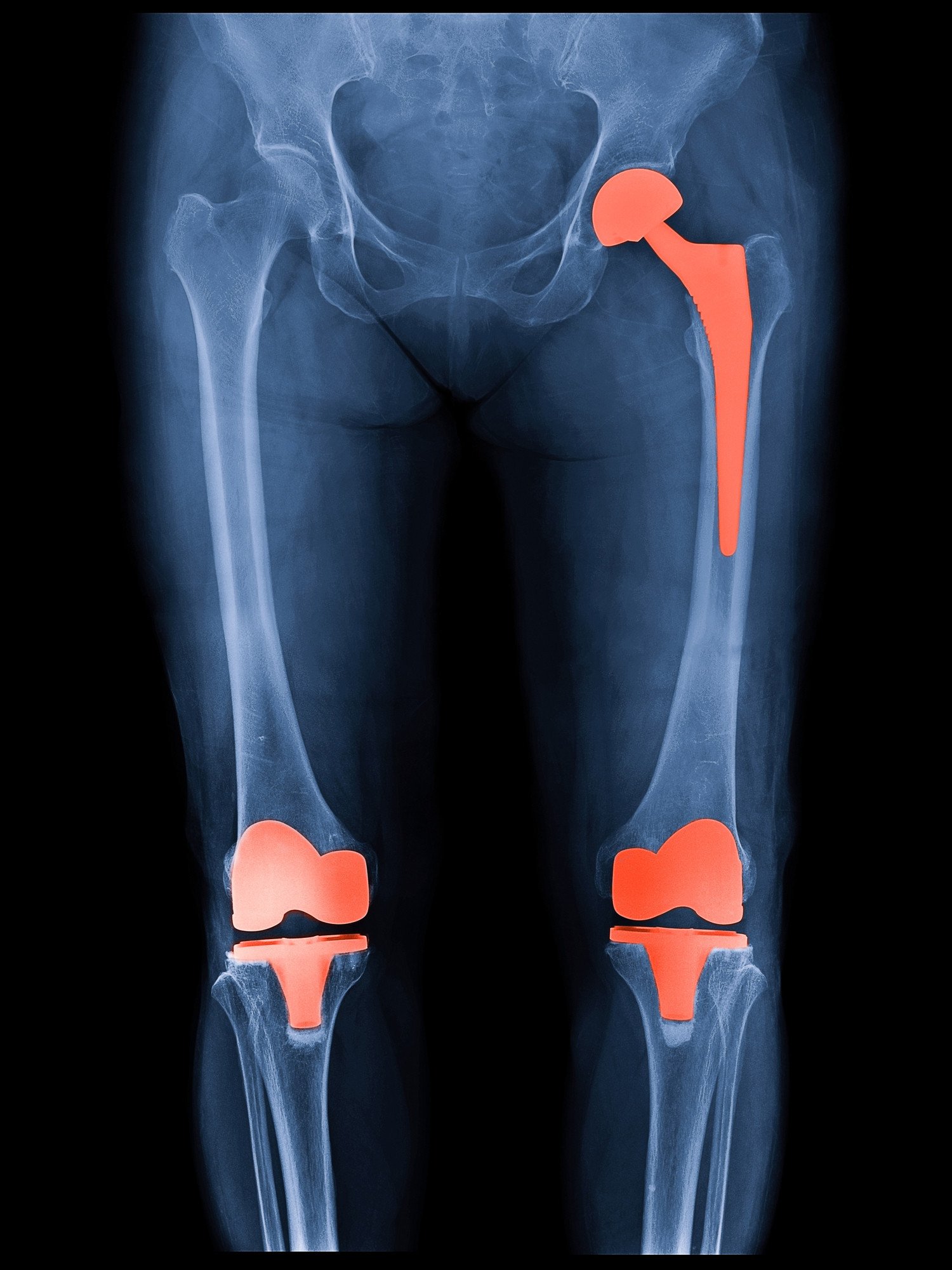

Is It Time to Consider Joint Replacement Surgery? A Physio’s Guide
Is It Time to Consider Joint Replacement Surgery? A Physio’s Guide
If you’re living with hip or knee osteoarthritis, deciding whether to consider a joint replacement can feel overwhelming. Here’s a clear, evidence-based way to think it through.
Surgery Is Usually the Second Step, Not the First
Clinical guidelines are consistent. Joint replacement is considered after non-surgical treatment has been properly tried and hasn’t given enough relief, not instead of it. A “proper try” generally means:
- Structured exercise, tailored to your joint. This is strongly supported for reducing pain and improving function.
- Education, so you understand what’s actually happening in your joint. “Wear and tear” is a poor description of osteoarthritis, and understanding this reduces distress and improves outcomes on its own.
- Weight management support, where relevant. Evidence shows this meaningfully improves pain and function.
If you haven’t had a genuine run at this, usually a properly supervised program over several months, is the place to start.
Signs Surgery May Be Worth Discussing
It’s worth speaking with your GP or a surgeon when:
- You’ve genuinely tried non-surgical care and it isn’t giving adequate relief.
- Pain is disabling and persistent. Most guidelines look for pain that’s interfered with function for at least three months.
- Imaging confirms moderate to severe joint damage and matches what you’re feeling.
- Your quality of life is genuinely limited: sleep, work, walking distance, the things that matter to you.
What Doesn’t Automatically Rule Surgery Out
- Carrying extra weight is not, on its own, a reason to delay surgery under current guidelines, though weight loss is still worth pursuing where possible.
- Age isn’t a hard cut off. Good candidacy is about overall health and joint findings, not a birthday.
The Bottom Line
Joint replacement works best as a considered decision after conservative care, not a shortcut around it. If you’re unsure where you sit on that pathway, a physio assessment can help answer that before you get to the surgeon’s door.
For more detail, see the American College of Rheumatology’s 2023 guideline on indications for total hip and knee arthroplasty.
This article is general information and isn’t a substitute for individual clinical assessment. If you’re weighing up your own options, book in for an assessment so we can look at your specific situation. Give us a call on 9447 6152, or book online here.