
My Physio | Effective Hands-On Physio
My Physio | Effective Hands-On Physio
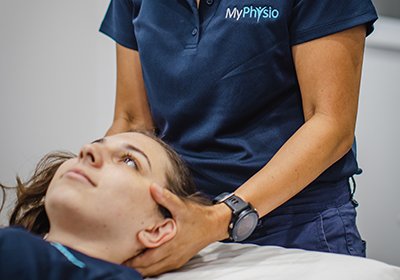
For decades, hands-on physiotherapy including massage, joint mobilisation, manipulations, soft tissue techniques and even electrotherapy were a cornerstone of clinical practice. These days, patients often expect hands-on physiotherapy, and clinicians are highly skilled in this approach. However, as research evolves, so too must the way we utilise manual therapy skills in contemporary care.
Today’s evidence makes one thing clear:
Hands-on therapy works best when it supports active rehabilitation, not when it replaces it.
Why hands-on skills still matter
Manual therapy can absolutely play a valuable role in recovery. Research shows that well-applied hands-on skills and techniques:
- Are important for a thorough assessment of the musculoskeletal system
- Can reduce pain in the short term
- Can improve range of motion
- Reduce protective muscle guarding
- Might create a an opportunity for active exercise
- Help a person build confidence/reassurance in their body
- Reduce fear of movement
Manual therapy is not the primary driver of long-term improvement. Its benefits tend to be temporary unless immediately followed by active strategies that empower a person with longer-term confidence in their body.
What the evidence says
✔ Lifestyle change outperforms passive treatment for long-term outcomes
Daily movement, mindfulness, strengthening, load management, skill training, and graded exposure build capacity and resilience that hands-on therapy cannot deliver on its own.
✔ Manual therapy offers short-term relief, not long-term change
It modulates symptoms but does not “fix alignment”, “break adhesions”, or “put things back in place” (common myths that have been debunked).
✔ The therapeutic relationship matters more than the technique
Patients benefit from reassurance, education, and feeling supported. The hands-on component can enhance trust and reduce anxiety — but the active plan is what improves outcomes.
✔ Patients who rely on passive care improve more slowly
Long-term dependence on passive treatments can reduce self-efficacy and delay functional recovery. Active involvement leads to better and more durable results.
How My Physio uses hands-on therapy the ‘right way‘
When you see us at My Physio, we’ll use an evidence-based physiotherapy approach, where hands-on therapy is used intentionally, not automatically.
1. To reduce pain enough to start moving
Manual therapy can calm symptoms so patients can engage in exercise that would otherwise be too painful.
2. To improve movement quality during rehab
Releasing protective muscle tension, reducing breath-holding, or temporarily improving joint mobility can set up better movement patterns.
3. To provide reassurance, not dependence
Hands-on care can help a person feel safe and supported during the early phase of injury, but we always pair it with education and active strategies.
4. To enhance, not replace an individualised plan
The end goal is always to help our patients build load tolerance, strength, and confidence.
What we don’t do at My Physio
- We don’t promise that manual therapy “fixes” structural issues
- We don’t use passive treatments as the primary intervention
- We don’t promote repeated, ongoing appointments with no active plan
- We don’t create dependency — we build independence
My Physio’s way forward
My Phyio’s approach blends the best of both worlds:
👉 Hands-on therapy for short-term relief and movement optimisation
👉 Exercise, education, and load management to empower you for long-term results
The outcome?
Patients who recover faster, stay stronger, and feel more in control of their health. Jump online to meet the team. Call us on 9447 6152 or book online today!